By Shu’aibu Usman Leman
The nomination of a deceased Nigerian, the late Senator Adamu Talba, as an ambassador, is not a routine administrative oversight that can be brushed aside with bureaucratic excuses.
It is a glaring indictment of a system that has grown disturbingly casual with power and careless with consequence. When governance descends to this level of absurdity, citizens are right to ask: who, exactly, is minding the state?
Senator Talba passed away on July 14, 2025—a fact well known within political and public circles. Yet months later, his name appeared on an official list of ambassadorial nominees transmitted to the Senate.
This was no draft document or internal memo.
It was a formal expression of executive authority, stamped with the credibility of the Nigerian state.
Such a failure cannot be dismissed as a mere human error. It exposes a nomination process, so it is hollowed out that even the most basic verification appears optional. Somewhere between preparation and submission, diligence vanished—and no one was held accountable.
Diplomatic appointments are not symbolic niceties. They reflect how a nation sees itself and how it expects to be taken seriously by the world.
When the dead are nominated to represent the living, embarrassment becomes unavoidable, and ridicule becomes deserved.
Public outrage, therefore, was neither performative nor partisan. Nigerians were justified in their anger over an avoidable blunder that diminished national pride and reinforced the damaging perception of a state that no longer checks itself.
What makes this episode even more troubling is that it is not an isolated lapse. It fits into a widening pattern of contradictions, reversals, and administrative incoherence that increasingly define this administration’s handling of public appointments.
Only recently, Nigerians witnessed another baffling U-turn—this time at the Nigerian Television Authority (NTA).
On September 2, 2025, the presidency abruptly reversed an earlier decision and reinstated officials it had just removed, offering the public neither explanation nor apology.
Alhaji Salihu Abdullahi Dembos, appointed Director-General of the NTA in October 2023, was removed under the vague cover of “management changes.” Barely days later, he was recalled to complete his tenure, as though the initial decision had been a figment of public imagination.
Mr. Ayo Adewuyi, Executive Director of News, endured a similar cycle of appointment, removal, and reinstatement. His experience reflects a governance style driven not by principle or planning but by impulse and internal disarray.
Even more disturbing is the fate of those briefly appointed in their place. Their names were announced, their credibility placed under national scrutiny, and then quietly erased.
No apology followed. No acknowledgement was offered. Their dignity was treated as collateral damage.
Governance is not a game of musical chairs. Decisions made at this level reverberate through institutions and lives. They shape careers, reputations, and public confidence—and they demand seriousness.
The NTA episode is merely one entry in a growing ledger. Over the past year, similar reversals have occurred across the Ogun–Osun River Basin Development Authority, FERMA, the NDDC, the Central Bank of Nigeria, and the National Population Commission.
Each reversal peels away another layer of public trust.Taken together, they present a portrait of an administration struggling with coherence, lacking rigorous vetting mechanisms, and unable to stand firmly by its own decisions.
The painful case of Maryam Shetty remains the clearest illustration of this culture. Invited for ministerial screening, she was publicly humiliated when her nomination was withdrawn while she waited at the National Assembly—her dignity sacrificed to administrative confusion.
No explanation was followed.
No apology was issued. Her replacement was announced with chilling normalcy, as though nothing extraordinary—or cruel—had occurred.
Governments have the right to correct mistakes. But corrections without accountability are not reform; they are executive impunity. Silence in the face of public embarrassment is not restraint—it is contempt.
Chinua Achebe warned that integrity is tested by a blunt refusal to be compromised. What Nigerians are witnessing instead is a steady erosion of standards, discipline, and respect for due process.
This is not unfamiliar territory. Under a previous administration, Nigerians were shocked by revelations that deceased individuals had been appointed to government boards—an episode that exposed similar failures of scrutiny and seriousness.
That scandal should have triggered lasting institutional reforms. Instead, history appears to be repeating itself with depressing familiarity—different leadership, same negligence, same consequences.
Worsening matters is the government’s approach to public communication. Two-paragraph press statements drenched in bureaucratic language cannot substitute for honesty, clarity, or responsibility.
Max Weber warned that the honour of leadership lies in accepting responsibility for everything done in one’s name.
Leadership that evades responsibility breeds cynicism, instability, and democratic fatigue.
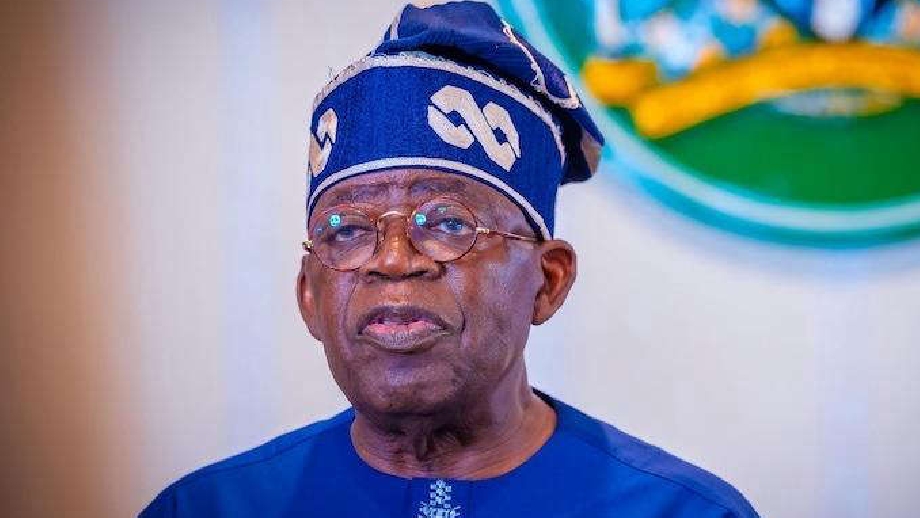
President Bola Tinubu’s administration must urgently arrest this pattern of reversals and negligence. Appointments must be deliberate, vetting must be rigorous, and when errors occur, humility and apology must follow—because governance is not improvisation, accountability is not optional, and democracy cannot survive on silence.
Leman is a former National Secretary of the Nigeria Union of Journalists (NUJ).